Discover Beaune, France
The Heart of Burgundy Wine Country
Must See Attractions
Beaune is a working wine town, not a museum. Yes, the ramparts date to the third century, and the streets wind as they did in medieval times. Beaune is primarily known for elegant red wines made from Pinot Noir, though it also produces smaller amounts of white wines made from Chardonnay. The real life here happens in cellars, markets, and restaurants, where locals and visitors sit side by side over shared meals and wine.
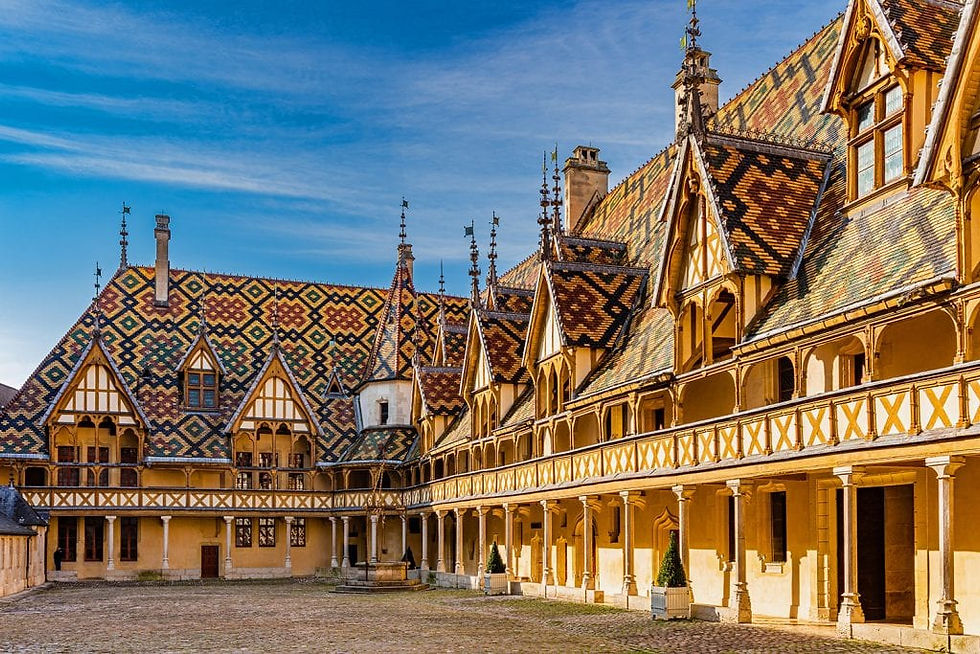
The Hôtel-Dieu - Hospices de Beaune
This UNESCO-listed Burgundian Gothic centerpiece (built 1443) showcases stunning multicolored roof tiles and an interior courtyard.
The site is home to France's most prestigious annual wine auction in November.
Open to visitors year-round.
Halles de Beaune (covered market, Place Carnot): Year-round, locals shop here daily
Saturday morning outdoor market (Place Madeleine)
Experience the town's vendors, food, and flowers. Discover fresh regional produce, locally made charcuterie, and Dijon mustard.
The Halles de Beaune and Saturday outdoor market aren't just for buying groceries. Sit nearby with coffee and watch locals shop to how the town actually lives. Market days reveal rhythms and relationships you won't find elsewhere.
Wine Cellars & Tasting
Sightseeing
Local Experiences
Beaune sits atop medieval wine cellars.
Descend into cool stone passages where Burgundy's finest ages.
Many are open to visitors. Ask your hotel for recommendations suited to your interests, from Casual tastings to formal affairs led by winemakers.
Collegiale Notre-Dame: 12th-century Romanesque church at town center (peaceful, worth a visit)
Musee du Vin: Burgundy's winemaking history in a 15th-century palace
Nearby villages: Puligny-Montrachet, Meursault, Pommard (each a short drive with own character)
Art & culture: Galleries and Musee de l'Art Moderne throughout town
Explore the Ramparts
The medieval fortification walls encircle the old town and are open to the public. A complete loop takes about a 45-minute walk and offers a different perspective on Beaune's architecture, as well as a quiet escape from the main streets.
Beaune's most famous export is beyond wine. The shop offers tastings of different varieties (wholegrain, tarragon, traditional) and small jars to take home. Located at 31 rue Monge in the heart of town.



Lunch Like a Local
Markets & Food
Beaune’s beloved boutique wine shop, Mon Millésime, is tucked along the cobblestone streets of the Côte d’Or. This charming spot offers curated tastings of small‑production Burgundy wines, guided by passionate local sommeliers who share stories of the region’s terroir and winemaking heritage.
The French take lunch seriously, especially in Burgundy. Most restaurants close between lunch (12:00 - 14:00) and dinner (17:00+). If you're hungry midday, grab something at a café or wine bar rather than trying to find a full restaurant.
Dinner is the main event, so plan accordingly.
Wine Bars Over Wine Shops
For a casual tasting experience, hit a wine bar instead of formal cellar tours. Try small glasses of different Burgundies while standing at a bar with locals. No appointment needed, no pretension. Ask your hotel which ones locals actually frequent.
Regional Food to Try
Oeufs meurette, beef bourguignon, coq au vin, Burgundy escargots, patés and local breads and cheeses.
Bike Routes Through Vineyards
Rent a bike and ride the Côte de Beaune wine route. Gentle hills, vineyard views, and small village stops. Several bike rental shops near the train station. Maps available at the tourist office. A half-day ride reaches neighboring villages and wine producers.
Hidden Courtyards & Quiet Streets
The town center has narrow passageways and private courtyards that open unexpectedly. Wander off the main streets (Rue de Lorraine, Rue Monge) and you'll find quiet corners where locals sit and the town feels less touristy. No guidebook needed—getting lost here is the point.
Day Trips
Good to Know
Dijon (40 min by train): A larger city with excellent museums, its own cathedral, and more dining options. Worth a half-day if you want a break from wine country.
Chateau du Clos Vougeot (30 min by car): Built by Cistercian monks in the 12th century, who cultivated the surrounding vineyards, the chateau is a museum housing ancient presses and cellars. The chateau also serves as the home of the famous inductions of the ceremonial Confrerie des Chavaliers du Tastevin.
Abbaye de Citeaux (30 min by car): The birthplace of the Cistercian Order, the monks cultivated wines that became the foundation of Burgundy’s reputation. The space now occupies a museum on monastic life, and the monks now make Citeaux cheese, a creamy washed-rind cheese that pairs with Burgundy whites.
Surrounding villages: Puligny-Montrachet and Meursault are quiet, walkable, and feel less touristy than the Beaune center while still offering excellent wine shops and small restaurants.
Visit major attractions (Hospices, museums) early morning (09:00 - 11:00) to avoid crowds.
Markets are busiest on Saturday, 09:00 - 11:00; if you prefer fewer people, go on weekday mornings.
Wine shopping: Rue Monge and Rue Paradis are lined with wine shops. A few bottles taken home are inevitable.
Wine bars are quiet during midday, lively after 17:00, when locals stop by after work.
Timing: Beaune is quieter in early November (leading up to the Hospices auction on Nov 18). Perfect for exploring.
Restaurants: Most close Monday or Tuesday. Book ahead, especially for dinner.
Footwear: Wear comfortable walking shoes. Centuries-old cobblestones are charming and unforgiving.
Language: English is spoken in hotels and restaurants. A few French phrases go a long way.
Mon Millésime Wine Shop


